Dot Black’s testimony exposes Great Benefit’s insulting denial letter
The RainmakerDot Black’s deposition becomes a turning point in the Black family’s case when an insulting denial letter exposes a gap between Great Benefit Life Insurance Company’s records and the file given to its lawyer. The document does more than demean the family: Leo F. Drummond’s startled reaction suggests that the insurer has withheld evidence from its own counsel, prompting Tyrone Kipler to warn that concealment will bring sanctions.
Background and Stakes
The deposition begins with a long examination of Dot Black’s family history. Leo F. Drummond moves methodically through education, employment, homes, and hobbies, pursuing even intimate or irrelevant subjects. Much of this questioning cannot be used at trial, but discovery permits broad inquiry; its practical purpose is to search for something useful in the opposing party’s history. Tyrone Kipler eventually tells Drummond to move on to relevant matters.
The delay wears on Dot Black. During breaks she hurries into the hallway to smoke, and Rudy Baylor reassures her that she is handling the questioning well. Drummond asks about the Blacks’ finances, including their house, cars, appliances, and the Fairlane, as well as Buddy Black’s war injuries, jobs, pension, hobbies, and daily life. Kipler’s impatience with this detour sets up the contrast that follows: the deposition has spent hours on the family’s private circumstances, while the insurer’s own paperwork contains the most consequential information.
The Documents and the Letter
When the questioning finally reaches the insurance claim, Rudy Baylor has a complete copy of the relevant file on the table, including Donny Ray Black’s medical records. Kipler has reviewed the documents, and the Black family has nothing to hide. The scene carries an additional concern: Kipler and Deck Shifflet explain that insurers sometimes withhold damaging material even from their own lawyers. Rudy recalls studying cases in which corporate defendants were caught concealing documents from counsel, a pattern that makes the completeness of Great Benefit’s production an open question.
Rudy and Kipler anticipate the moment when Drummond will encounter the letter. Great Benefit has already requested the documents, but its response to Rudy’s matching production request is not yet due. The requests create a paper trail: the parties possess overlapping records, and a later production should show what the insurer turns over. Rudy also expects a further batch of documents at Great Benefit’s home office in Cleveland. For the deposition, Dot Black passes the application and policy along the defense table; after several lawyers review them, the stenographer marks them as an exhibit. The earlier denial letters follow through the same slow hand-to-hand process.
Dot then hands Drummond the eighth and final denial letter without explaining its contents. It states that the company has denied the claim seven times before and now denies it for the eighth time, ending with the words, “You must be stupid, stupid, stupid!” Drummond reads it, pauses, and reads it again. His mouth falls slightly open; wrinkles gather across his forehead, and his eyes narrow. Rudy recognizes that the reaction is not simply a response to the letter’s cruelty: Drummond appears never to have seen it before. The insurer has not included this document in the file it gave its own lawyer.
Kipler’s Warning
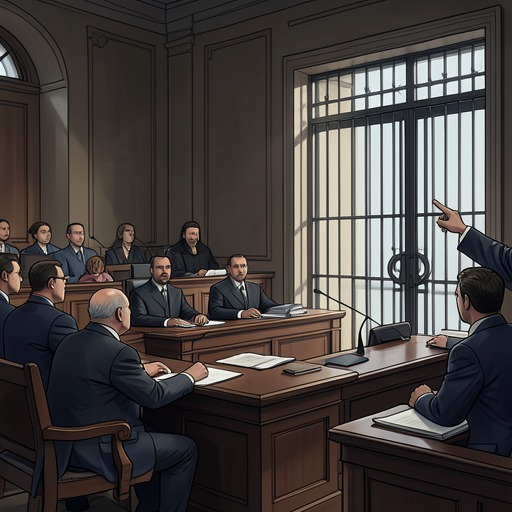
Drummond looks first toward Rudy and then toward Kipler. Kipler is watching closely enough to notice the lawyer’s surprise. When the letter passes to another member of the defense team, the same realization registers there. Kipler stops the recording and addresses Drummond off the record, saying that it is obvious he has not seen the document and warning that more concealed records may emerge. He threatens sanctions against both Drummond and Great Benefit if either is caught hiding documents from the plaintiff, including costs and attorney fees calculated at Drummond’s hourly rate.
Drummond asks whether Kipler is accusing him of hiding evidence. Kipler says he is not doing so yet; for now, he is giving a warning. Drummond then asks Kipler to recuse himself. Kipler treats the request as a motion and denies it. The exchange makes the letter’s discovery significant beyond its contents: its appearance raises a direct question about what Great Benefit has disclosed and places the company and its counsel on notice that the court is watching.
Aftermath and Significance
The deposition resumes, but Dot Black is visibly frightened by the courtroom confrontation, apparently concerned that she has somehow caused it. The questioning continues through lunch and into the afternoon. Drummond is told to speed up, yet his habitual, expansive approach persists. Dot uses increasingly frequent bathroom breaks to pace herself; she takes her time, and the interruptions gradually wear Drummond down. Kipler ends the deposition at 3:30, six and a half hours after it began.
The episode brings together the unequal burdens of discovery and the limits of a paper record. Dot Black has endured hours of scrutiny into her family’s finances and personal life, while a document central to the dispute was absent from the file supplied by the insurer to its lawyer. The insult in the letter makes Great Benefit’s treatment of the claim visible; Drummond’s reaction makes the possible concealment visible to the court. Kipler’s warning does not itself establish who withheld the letter or what else may be missing, but it turns that suspicion into an explicit issue for the litigation.